Problem 19 · 2015 Math Kangaroo
Stretch
Algebra & Patterns
sum-constraintcasework
The numbers 1, 2, 3, 4 and 9 are written into the squares on the following figure. The sum of the three numbers in the horizontal row should be the same as the sum of the three numbers in the vertical column. Which number is written in the middle?
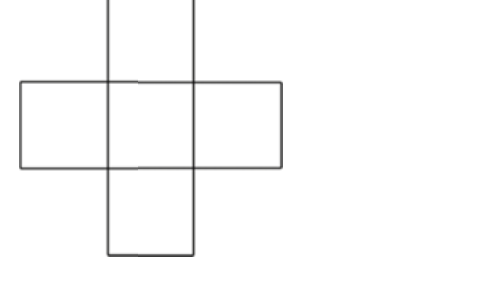
Show answer
Answer: E — 9
Show hints
Hint 1 of 2
The middle square sits in both the row and the column, so it gets used in both totals.
Still stuck? Show hint 2 →
Hint 2 of 2
The other four numbers must split into two equal-sized pairs, one pair for the row's ends and one for the column's ends.
Show solution
Approach: the middle is shared, so the other four split into two equal pairs
- The number in the middle is part of both the row total and the column total, so the other four numbers fill the two ends of the row and the two ends of the column.
- Those four numbers must make two pairs that add up to the same amount; from 1, 2, 3, 4 the pairs 1 + 4 = 5 and 2 + 3 = 5 match perfectly, leaving 9 for the middle.
- Then each line totals 9 + 5 = 14, the same both ways, so it works.
- The middle number is 9.
A quick check for older kids
All five numbers add to 19. The row and column together use the middle twice, giving 19 + middle, and that must split into two equal halves — so 19 + middle is even, which forces the middle to be odd, and 9 is the choice that balances.
Mark:
· log in to save